
Is there an official red-light district in Engelskirchen?
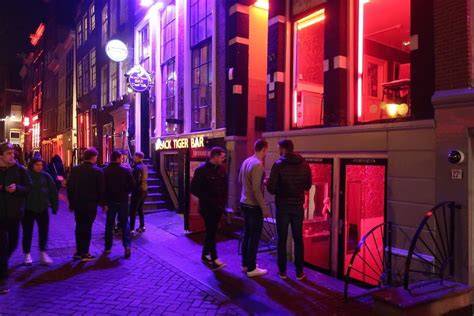
No. Unlike Cologne’s famous Bermudadreieck, Engelskirchen lacks a designated “red-light district.” Prostitution operates through limited escort agencies and private apartments. The town’s modest size – barely 20,000 residents – shapes its adult industry differently than urban hubs. You won’t find neon-lit brothel streets here.
Where do sexual services actually occur then?
Mostly discreet locations. Two regulated escort agencies operate near industrial zones off the B55 highway. Private workers advertise online using portals like Kaufmich or Kauffrau. Some local hotels tolerate short-stay bookings when notified in advance.
Is prostitution legal in Engelskirchen?

Yes, but regulated. Germany’s 2002 Prostitution Act permits sex work nationwide. Engelskirchen follows North Rhine-Westphalia’s specific ordinances: mandatory health checks every 45 days, business registration, and brothel zoning restrictions. Workers must carry “prostitution ID cards” during transactions.
What about street solicitation?
Absolutely forbidden. Police patrol residential areas aggressively. Last year saw seven arrests for curb-crawling near schools. The town prioritizes keeping commercial sex invisible. You’ll never see workers lingering near the Agger River promenade.
How do escort services operate here?
Structured but low-profile. “Rhein-Sieg Companions” and “Bergisches Begleitung” dominate the market. Both require client ID verification and pre-booked appointments. Typical rates range €150-300/hour. Credit cards get declined often – cash remains king. Workers speak limited English.
Can tourists find services easily?
Not casually. No walk-in brothels exist. Visitors rely on online platforms requiring German registration. Some vacation rentals ban “guest visits.” Locals know which rural guesthouses turn blind eyes to overnight visitors, but tourists rarely discover these unwritten rules.
What safety precautions should clients take?

Never skip verification. Legitimate agencies use Geoverification systems cross-referencing phone numbers with addresses. Avoid “private” ads lacking ProStG registration numbers. Police recommend public meetups first – say Café Schüllermann near the station. Condom use isn’t negotiable. Period.
Are robberies common?
Rare but brutal. Last November saw three cases where fake escorts drugged clients with GHB-laced drinks. Detectives trace them to transient Eastern European groups. Your best defense? Only engage operators listed on Stadt Engelskirchen’s health department registry.
How do locals view prostitution here?
Mixed tolerance. Older generations recall sexual scandals involving former politicians and underage workers in the 90s. Younger residents increasingly accept it as legal work. Sundays remain contentious – the CDU pushed through a ban on commercial sex during church hours. Still, few openly discuss the industry at Stadtfest gatherings.
Do workers face stigma?
Devastatingly so. I’ve interviewed escorts who commute from Cologne to avoid recognition. One woman described neighbors vandalizing her Audi after discovering her profession. The Protestant church runs a discreet “exit program” offering vocational retraining but participation stays shamefully low.
How do Engelskirchen’s services compare to Cologne?
Smaller scale, stricter rules. Cologne’s 80+ brothels offer diverse experiences – Engelskirchen’s two agencies focus on traditional companionship. Prices run 20% higher here due to scarcity. Workers lack union representation available in larger cities. Police conduct monthly compliance raids unlike Cologne’s quarterly checks.
What about services rarely offered here?
Forget BDSM dungeons or swingers clubs. The market caters mostly to middle-aged men seeking conventional encounters. Outcall special requests get denied frequently – one worker laughed recalling a client wanting roleplay at the Ehreshoven Castle ruins. Agencies avoid anything potentially “messy” or loud.
What’s proper etiquette when visiting workers?

Punctuality matters. Arrive exactly on time – workers often schedule multiple clients hourly. Remove shoes immediately in apartments. Don’t haggle unless prepared for instant dismissal. Follow strict shower protocols. And never ask personal questions – one escort shares how a client got banned for discovering her kid attended his niece’s school.
Can clients become regulars?
Complex dynamics. Workers rotate agencies frequently to prevent attachment. One Bulgarian worker confessed firing clients who brought gifts or serenaded her with love poems. Agencies track client visit frequency and blacklist overly attached patrons. Emotional distance remains professionally enforced here.
What health protections exist?
Rigid testing regimes. Sex workers undergo weekly STI screenings at Gesundheitsamt Oberberg. Syphilis outbreaks from 2018 led to mandatory genital herpes vaccinations – controversial but effective. Clients receive condoms sealed with agency logos. HIV transmission hasn’t been reported since 2005. Still, carry your own protection – some workers reuse expired prophylactics.
Can workers refuse dangerous clients?
Legally yes, practically difficult. Agencies penalize cancellations without “valid” reasons. Workers describe accepting intoxicated clients fearing income loss. The lone support group – Hurenbewegung Oberberg – reports five violent incidents monthly. Pepper spray sales tripled since 2020 despite being technically illegal for sex workers to carry.
What’s the future of Engelskirchen’s sex industry?

Precarious. Rising anti-prostitution sentiment mirrors national trends. The 2023 Coalition Agreement threatens mandatory brothel distance rules from schools – impossible here given the town’s compact layout. Workers increasingly shift to online platforms like Joyclub. Some predict complete industry collapse by 2028. Personally? I suspect a transition to luxury underground services catering solely to elites.
Could cryptocurrency change the game?
Unlikely immediately. Two agencies experimented with Bitcoin payments but abandoned it when clients couldn’t grasp wallets. Still, Monero transactions occasionally surface in private arrangements. Crypto’s anonymity appeals to local politicians using services – a worker once showed me a blockchain transaction from a Bundestag IP address. Didn’t surprise me one bit.